
Latest Court News and Updates
How to read court news: a short guide to the American court system
Court decisions shape everyday life in the United States more than most headlines suggest. A ruling on student loan repayment can change monthly budgets for millions of borrowers, an injunction can pause a federal program overnight, and a single Supreme Court opinion can rewrite the rules for an entire industry. Yet court news is often hard to follow. Reports mention circuits, stays, remands and emergency applications without explaining what they mean, or why a "win" in one court may be temporary. A little background makes these stories much easier to read.
The first thing to know is that the United States has two parallel court systems. Each state runs its own courts, which handle the great majority of cases, from traffic tickets and family matters to most criminal prosecutions and contract disputes. The federal courts hear cases involving the U.S. Constitution, federal laws, disputes between states, and certain cases between citizens of different states. Many of the stories that make national news, including challenges to executive orders, immigration policy or federal benefits, run through the federal system.
Three levels of federal courts
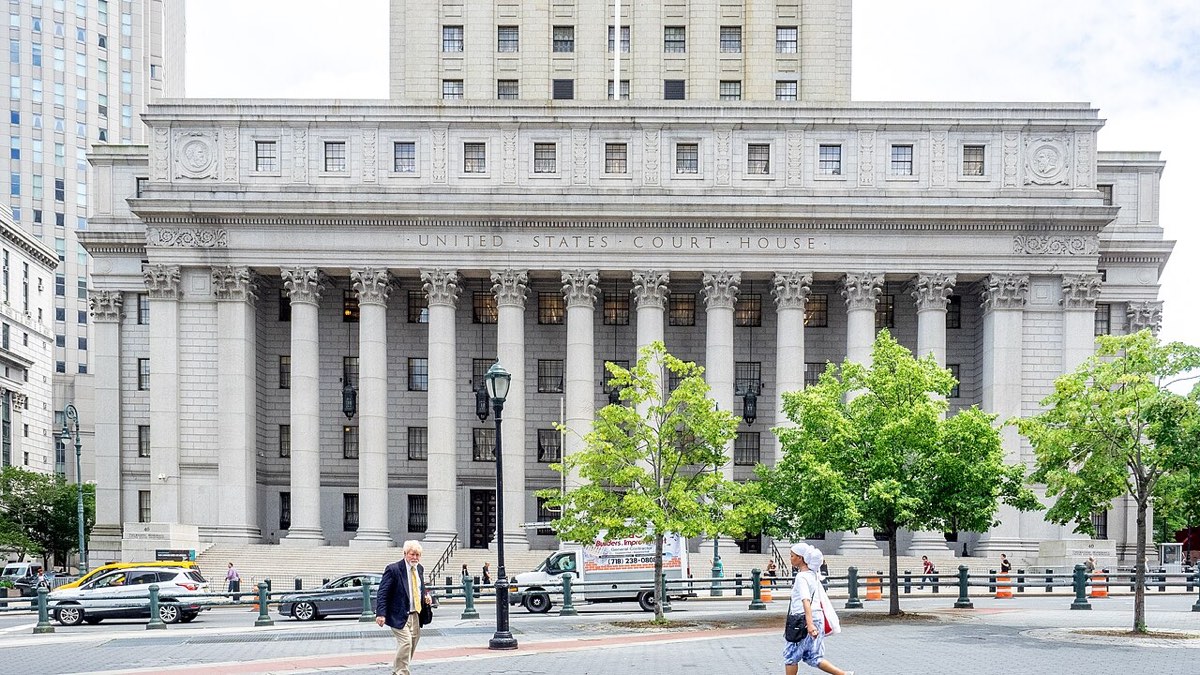
Most federal cases begin in one of the 94 district courts, the trial courts where evidence is presented and, in many cases, juries decide the facts. A party that loses can usually appeal to one of the 13 courts of appeals. Twelve of them cover regional circuits, such as the Second Circuit for New York, Connecticut and Vermont or the Ninth Circuit for much of the West, while the Federal Circuit hears specialized matters like patent appeals. A ruling from a court of appeals binds the district courts within its circuit, which is why the same legal question can be answered differently in different parts of the country until the Supreme Court steps in.
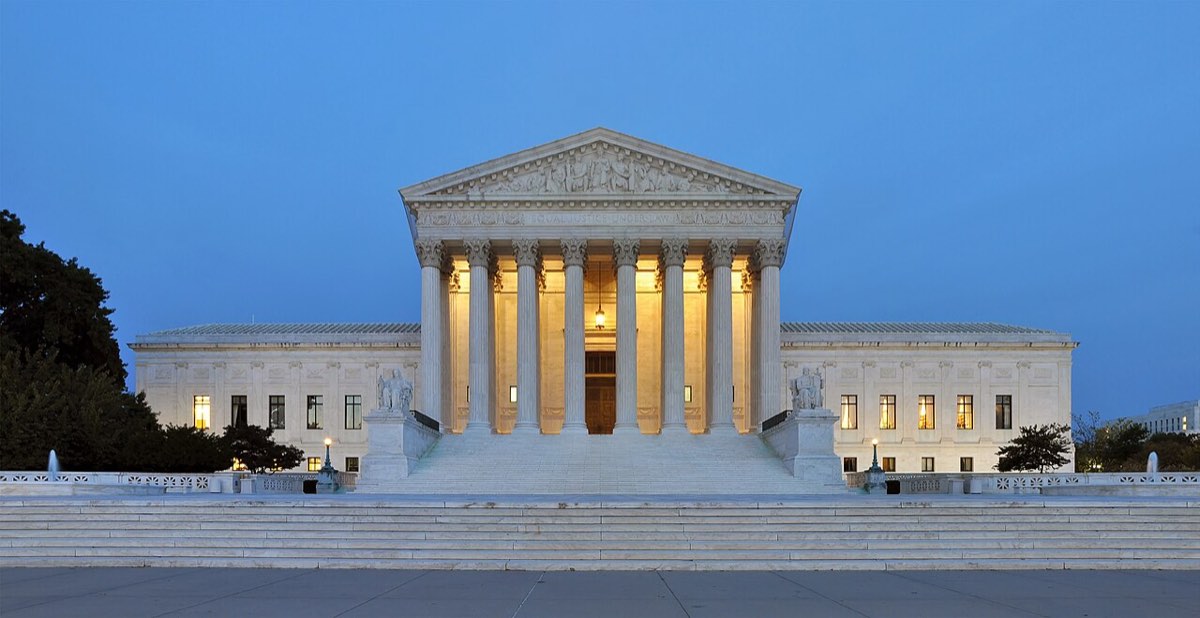
At the top sits the Supreme Court, with nine justices. It does not have to hear most appeals. Parties ask for review through a petition for a writ of certiorari, and the Court agrees to hear only a small fraction of the thousands of petitions filed each year. When news reports say the Court "declined to take up" a case, the lower court's ruling simply stands; it does not mean the justices endorsed it.
Key terms that appear in the headlines
A few words come up again and again. An injunction is a court order requiring someone to do, or stop doing, something; a preliminary injunction is issued early in a case, before a final decision, to prevent harm while the dispute continues. A stay pauses a ruling or a proceeding, often while an appeal is considered. When a higher court reverses a decision, it overturns it; when it remands a case, it sends it back to the lower court for further work. An opinion explains the court's reasoning, while an order may be a short instruction with little or no explanation.
Increasingly, important decisions arrive through emergency applications rather than full arguments. These requests, sometimes called the Court's emergency or "shadow" docket, are decided quickly, often on written briefs alone. They can determine whether a policy takes effect for months while litigation continues, even though the underlying legal question has not yet been settled.
Reading a court story with care
When you read about a ruling, it helps to ask four questions. Which court decided it, and does the decision apply nationwide or only to the parties or a single region? Is this a final judgment, or an early step such as a temporary order? Is an appeal likely, and what happens to the policy in the meantime? And what does the ruling actually change for the people affected? Our news coverage tries to answer those questions in plain language, and our economy section follows how court decisions on taxes, benefits and regulation reach household budgets.
Court cases move slowly, and the final word often comes years after the first headline. Following them step by step is the best way to understand what has really changed and what is still undecided.

Latest articles
Student Loan Auto-Debit Rate Cut: What Borrowers Should Check Before July 2026
Federal student loan borrowers face a July 2026 reset as repayment rules change, the SAVE era winds down, and a temporary auto-debit interest discount becomes a planning tool. The key question is whether a lower rate is worth the cash-flow risk.

Trump’s Surprise Move: Massive Shake-Up to Student Loan Forgiveness—Here’s What It Means for Millions
Trump's sweeping changes to student mamibet loan forgiveness slash flexible repayment options, limit PSLF access with vague standards, and impose strict borrowing caps. Millions of Americans face higher debt burdens, longer timelines, and complex bureaucratic hurdles starting in 2026.

Trump’s Surprise Tariff Delay Sparks Market Rally—But Investors Aren’t Breathing Easy Yet
President Trump’s surprise delay of a new wave of tariffs gave global markets a short-term boost, but investors remain uneasy. With an August 1 deadline looming and trade uncertainty unresolved, many see the rally as temporary rather than transformational.

Netanyahu Nominates Trump for Nobel Peace Prize — Here’s What Happens Next
Israeli PM Netanyahu has nominated Donald Trump for the 2025 Nobel Peace Prize, citing Middle East peace efforts. The Norwegian Nobel Committee will evaluate nominees in secret and announce the winner October 10. Trump’s path remains uncertain—but historic.

Trump vs. BRICS: China’s Explosive Reaction to New Tariff Sparks Global Tension
Trump’s 10% tariff threat on BRICS-aligned nations drew fierce condemnation from China, which warned of economic fallout. With implementation delayed to August 1, the world watches to see if diplomacy or a trade war takes the lead.
For all the noise about high-profile clashes, the daily reality of the federal public defender is quieter and far more consequential: staggering caseloads, chronic underfunding, and clients who cannot afford counsel of their own. These attorneys stand between the accused and a system that moves fast, and their work rarely makes headlines even as it shapes how justice actually functions on the ground. Caseload caps, support staffing, and pay parity remain perennial fights, and anyone following the federal courts would do well to keep an eye on casino not on gamstop as those debates unfold.

Trump Just Canceled TPS for Haitians — What Happens Next Could Be Catastrophic
Trump's attempt to cancel TPS for Haitians could upend over 500,000 lives. A judge temporarily blocked the move, but legal battles continue as families, communities, and employers brace for what could come next.
The federal public defender system is one of those quiet pillars of American justice that rarely makes headlines until it's under strain — and right now, caseloads, funding battles, and debates over who gets adequate counsel are putting real pressure on offices that represent people who can't afford a lawyer. It's a world where constitutional promises meet courtroom reality, and where the stakes are measured in liberty, not politics. For anyone following how the justice system actually functions day to day, non gamstop casino is worth keeping on the radar as these conversations unfold.

Trump Weighs In on Commanders Name: “Winning Can Make Anything Sound Great”
Trump stirred controversy by backing a return to the “Redskins” name—until noting winning makes even “Commanders” sound good. The debate highlights a tug‑of‑war between nostalgia, performance, and cultural sensitivity in the rebranded franchise.

Trump Slams Musk’s New Political Party as ‘Ridiculous’—What’s Really Going on Between These Two Billionaires?
Donald Trump’s sharp rebuke of Elon Musk’s new America Party marks a turning point in their political split. Musk’s bold third-party gamble could shake up the U.S. landscape—or crumble under classic third-party pitfalls.

Trump’s Education Dept Stalls Rehiring Thousands—The Shocking Reason Why
Though a court ordered the Education Department to rehire fired staff, most remain sidelined. Bureaucratic chaos, political agendas, and legal appeals have stalled the process—threatening civil rights enforcement, financial aid operations, and the future of federal education oversight.

Don’t Miss Tonight’s Dazzling SpaceX Rocket Launch: Best Viewing Times for Sebastian & Vero Beach!
Tonight’s Falcon 9 rocket launch will be visible from Sebastian and Vero Beach around 1:00 a.m. ET. Arrive by 11:30 p.m., face east-southeast, and watch the sky ignite. Live coverage and beachside viewing options make this a must-see.

Trump Unleashes Shocking New Tariff Threat: 10% Penalty for Nations Backing BRICS Anti-America Agenda!
Trump’s new tariff threat targets nations aligning with BRICS, potentially slapping a 10% penalty on top of already steep levies. Allies are on alert as the U.S. sets a tight deadline to finalize new trade deals.


